

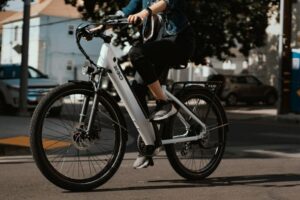
Electric bicycles and scooters have become increasingly common throughout Florida, including in communities like Boynton Beach and across Palm Beach County. These devices offer a convenient, affordable, and environmentally friendly way to travel short distances. Many riders use them to commute to work, travel around college campuses, or simply avoid traffic congestion.
However, as their popularity has grown, so have concerns about safety. A number of serious and fatal crashes involving e-bikes and e-scooters have prompted lawmakers in Tallahassee to begin examining how these devices should be regulated. The goal is to better understand the risks associated with micromobility devices and determine how public safety can be improved while still preserving their accessibility.
Electric micromobility devices have developed rapidly over the past decade. Modern e-bikes can reach speeds of up to 28 miles per hour on public roads, while some off-road models can go even faster. This places them much closer to motorcycle speeds than traditional bicycles.
Despite these capabilities, many of the laws governing e-bikes were written when the technology was far less powerful and far less common. In Florida today, riders generally do not need a driver’s license, insurance, or registration to operate most e-bikes or scooters.
For many people, that accessibility is exactly what makes them appealing. They provide an affordable alternative to owning a car and can be particularly useful in urban areas where parking and traffic are major concerns.
Yet the speed and power of modern devices can also create dangerous situations when riders share the road with cars, trucks, and pedestrians.
One of the challenges facing lawmakers is that the state currently does not track e-bike crashes as a distinct category. Many accidents involving micromobility devices are recorded under broader classifications such as bicycle or motorcycle incidents. As a result, it is difficult to determine how frequently these crashes occur or what factors contribute to them.
To address this issue, legislators have proposed creating a task force focused on micromobility safety. This group would include representatives from law enforcement, local governments, and the micromobility industry. Their role would be to study accident trends, gather more detailed crash data, and develop recommendations aimed at improving safety.
Collecting better information could help authorities identify common causes of e-bike collisions, such as speeding, failure to obey traffic signals, or rider inexperience.
One issue that has drawn particular attention is the growing number of minors using high-speed electric bikes. While these devices are often marketed as recreational products, their speed and weight can make them significantly more dangerous than traditional bicycles.
Law enforcement officials across Florida have reported an increase in accidents involving young riders. In some areas, children and teenagers account for a large portion of micromobility crashes. These incidents often occur when riders ignore traffic signals, ride against traffic, or fail to wear helmets.
Parents sometimes purchase e-bikes without fully understanding how powerful they can be. A device capable of traveling close to 30 miles per hour requires a level of judgment and road awareness similar to operating a motor vehicle.
Encouraging helmet use, teaching traffic rules, and monitoring how these devices are used can all play an important role in reducing risk.
One of the most debated ideas during legislative discussions has been whether e-bike riders should be required to obtain driver’s licenses. Some lawmakers initially proposed such requirements in an effort to address safety concerns involving young riders.
However, critics argued that requiring licenses could limit access for individuals who rely on e-bikes for transportation, particularly those who cannot afford a car or traditional vehicle expenses.
For now, that proposal has been removed from the legislation. Instead, lawmakers are focusing on gathering more information and encouraging safe riding practices before implementing major regulatory changes.
This approach reflects a broader challenge: how to balance innovation and accessibility with public safety.
Regardless of future legislation, safety ultimately depends on the behavior of everyone using the road. E-bike riders must follow traffic laws, remain aware of their surroundings, and understand the capabilities of their vehicles. Drivers must also recognize that micromobility devices are increasingly part of everyday traffic.
As these technologies continue to evolve, public awareness will play a major role in preventing accidents.
At Aronberg & Aronberg Injury Law Firm, we understand how devastating traffic accidents can be for victims and their families. As new forms of transportation become more common across Florida, ensuring that safety laws keep pace with technology will remain an important issue for communities throughout the state.
Looking ahead, several important questions remain. Should faster e-bikes require licensing or registration? Should there be stricter age requirements for high-speed devices? How can lawmakers protect public safety while still allowing people to benefit from convenient new forms of transportation?
The answers to these questions will likely shape the future of micromobility in Florida. As e-bikes continue to grow in popularity, thoughtful discussions about safety, responsibility, and regulation will be essential for keeping everyone on the road safe.