

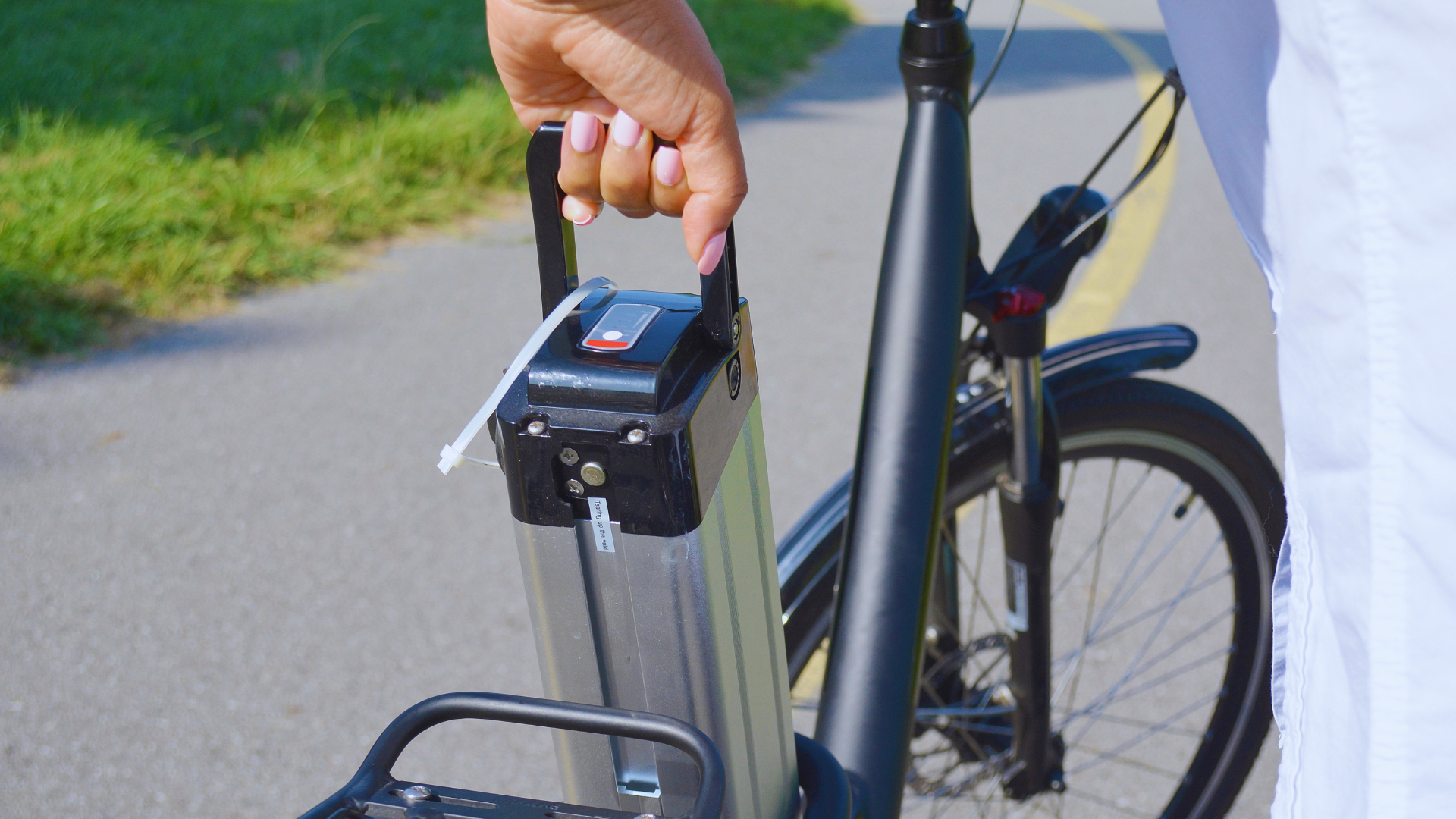
E-bikes have become increasingly common for commuting, recreation, and short-distance transportation, but their lithium-ion batteries can create serious hazards when something goes wrong.
A battery that overheats, ignites, or explodes can cause burns, smoke inhalation, property damage, and other injuries. When that happens, the incident may involve more than ordinary accident law.
It may also raise questions about whether the battery, charger, wiring, or e-bike itself was defective.
Lithium-ion batteries store substantial energy in a relatively small package.
When a battery cell is damaged, improperly manufactured, overheated, or affected by another defect, the resulting failure can sometimes escalate rapidly.
The U.S. Consumer Product Safety Commission has issued multiple warnings involving e-bike batteries and e-bikes associated with fire hazards. In March 2026, for example, the agency warned consumers to stop using certain Ridstar e-bikes after reports that their batteries and wiring could ignite.
The CPSC has also warned about certain Rad Power Bikes batteries after reports of fires and property damage.
Those warnings show why a battery fire should not automatically be dismissed as a random electrical problem.
If an e-bike battery catches fire and someone is injured, preserving the faulty product can become important.
That may include the battery, charger, wiring, e-bike frame, packaging, purchase records, manuals, serial numbers, model information, and photographs of the scene.
Damaged products can contain evidence about what failed.
Throwing the battery or bike away, attempting extensive repairs, or allowing another party to dispose of it may make later analysis more difficult.
Because damaged lithium-ion batteries can also remain hazardous, preservation should be handled safely and with appropriate professional guidance.
The battery is only one part of the system.
Investigators may need to consider whether the problem involved the charger, battery-management system, connectors, wiring harness, water intrusion, manufacturing quality, or another component.
That is why product-liability cases often require expert analysis.
The visible fire damage may show where the failure became obvious, but not necessarily where it began.
Florida law defines a products-liability action broadly to include claims involving defects in the manufacture, construction, design, formulation, installation, preparation, or assembly of a product. Such cases may proceed under theories including negligence, strict liability, or breach of warranty depending on the circumstances.
For design-defect claims against a manufacturer, Florida law also directs the fact-finder to consider the state of scientific and technical knowledge that existed when the product was manufactured.
That makes product history, design information, warnings, testing, and manufacturing records potentially significant.
Many e-bikes and replacement batteries are purchased online.
That can add additional questions about who manufactured the product, who imported it, who sold it, and which companies may bear responsibility.
Identifying the exact model and seller can therefore be important after an incident.
Receipts, online order histories, confirmation emails, and screenshots should be preserved whenever possible.
A product does not necessarily need to appear on a recall list before a claim can be investigated.
Recalls and government warnings can provide useful evidence, but a particular battery may fail before regulators become aware of a broader pattern.
The important question is what caused the specific product to fail and whether a defect or other legally actionable problem contributed to the injuries.
Did an e-bike battery ignite while charging or during normal use? Was someone burned or injured by smoke, fire, or an explosion? Do you still have the battery, charger, bike, packaging, or purchase information?
Aronberg & Aronberg, Injury Law Firm has represented injured South Florida clients since 1999. If an e-bike or lithium-ion battery caused an injury in Boynton Beach, Delray Beach, West Palm Beach, or elsewhere in Palm Beach County, contact Aronberg & Aronberg for a free consultation. Preserving the product and investigating the cause early may be important when determining whether a product-liability claim is available.