

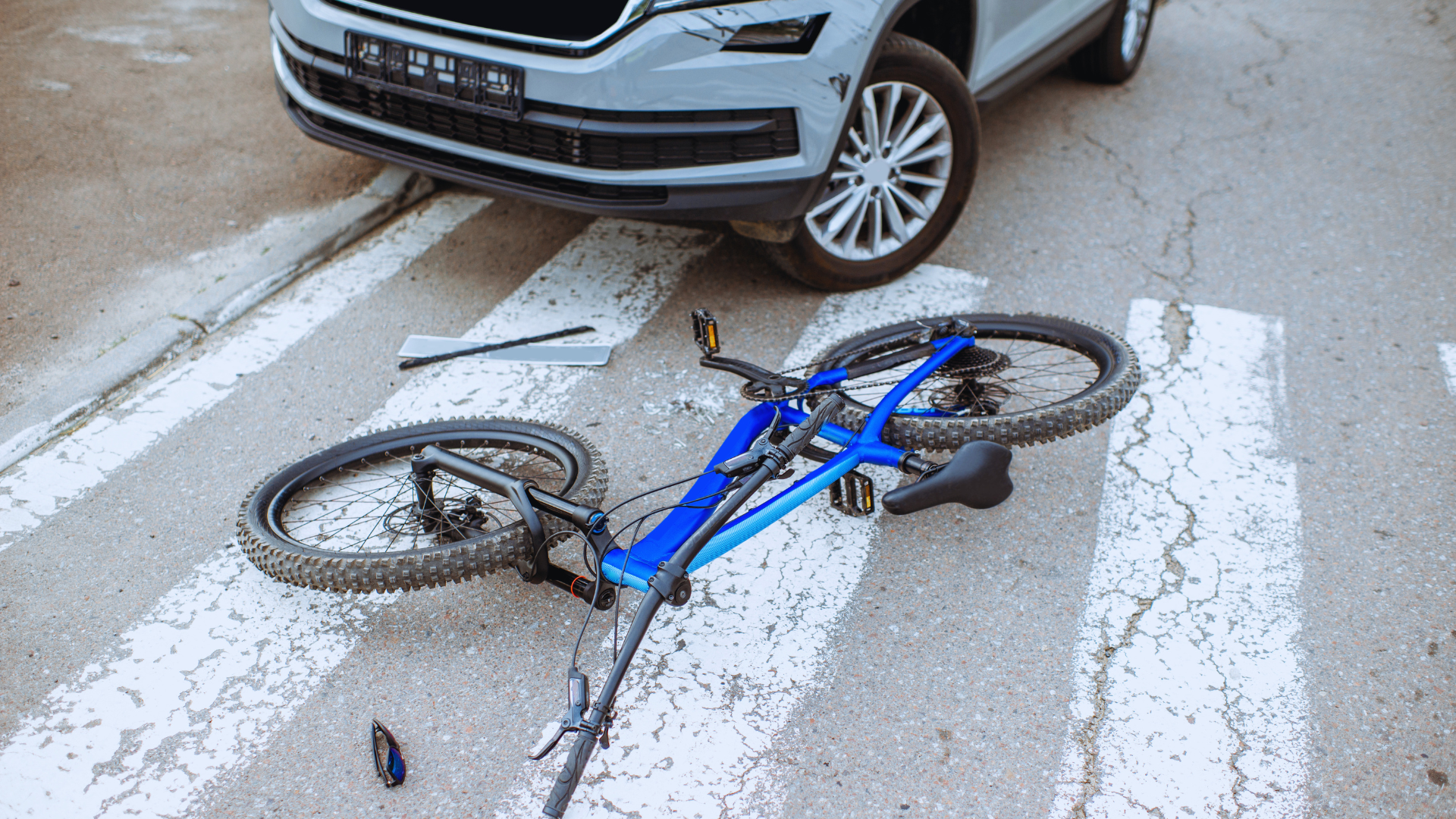
A hit-and-run crash can leave an injured driver, passenger, cyclist, or pedestrian dealing with two problems at once: the physical consequences of the collision and the uncertainty of not knowing who caused it.
In Palm Beach County, the steps taken immediately afterward can affect both the police investigation and a later personal injury or insurance claim. Florida law requires drivers involved in crashes causing injury, death, or property damage to stop, provide identifying information, and render reasonable assistance when needed.
If the other driver leaves, focus first on safety and evidence.
Contact law enforcement as soon as possible.
Florida Highway Safety and Motor Vehicles advises drivers involved in a crash to stop and call 911, *FHP, or local law enforcement, particularly when injuries are involved.
Tell the dispatcher that the other vehicle left the scene and provide whatever information you remember.
Do not chase the fleeing driver. Following another vehicle can create additional danger and may take you away from evidence at the crash scene.
Details can disappear quickly after a traumatic event.
As soon as it is safe, record anything you remember about the vehicle and driver, including:
Even incomplete information may help investigators identify the vehicle.
A partial plate combined with a vehicle description can be more useful than assuming the information is too limited to report.
Take photographs and video if your physical condition allows it.
Document damage to your vehicle, debris, skid marks, broken glass, road conditions, traffic signals, nearby businesses, and the surrounding intersection or roadway.
Vehicle damage itself can help show how the collision occurred.
Pieces left behind by the fleeing vehicle may also contain identifying information or help establish its make, model, or damaged area.
Avoid moving debris unless safety requires it.
People nearby may have seen something you did not.
Ask witnesses for their names and contact information.
Someone farther away from the collision may have had a clearer view of the departing vehicle or license plate. Another driver may have captured the crash on a dashcam.
Do not rely entirely on law enforcement to find every witness later. Busy Palm Beach County roads can change quickly as people leave the area.
Surveillance footage can be especially important in hit-and-run cases.
Look for nearby gas stations, restaurants, retail stores, condominiums, parking lots, traffic-facing businesses, or residential security cameras.
Make note of where those cameras are located.
Video may capture the collision itself, the vehicle immediately before or afterward, or the direction in which the driver fled.
Acting quickly matters because businesses and property owners may routinely overwrite surveillance recordings after a limited period.
Do not assume that you are uninjured simply because you can walk away from the crash.
Neck, back, head, and soft-tissue injuries may not become fully noticeable immediately.
If emergency treatment is recommended, follow that advice. Otherwise, consider obtaining a medical evaluation promptly if you develop pain, dizziness, headaches, limited movement, numbness, or other symptoms.
Medical records can also help document when symptoms began and how the injuries progressed.
Report the collision to your insurer and explain that it was a hit-and-run.
Depending on the policy and circumstances, uninsured motorist coverage may become relevant if the responsible driver cannot be identified or does not have applicable insurance.
Do not assume, however, that the claims process will automatically be simple because the other driver fled.
Coverage, injuries, vehicle damage, and available evidence still need to be evaluated.
Did the other driver leave before you could identify the vehicle? Were you injured and unsure which insurance coverage applies? Is surveillance footage or witness information available that may disappear if nobody acts quickly?
Aronberg & Aronberg represents injured people in Boynton Beach, Delray Beach, and throughout Palm Beach County. Hit-and-run claims can require prompt investigation, insurance analysis, witness interviews, and preservation of electronic or video evidence.
If you were injured in a hit-and-run accident, contact Aronberg & Aronberg for a free consultation. Early action can help preserve evidence while law enforcement and insurance investigations are still underway.